
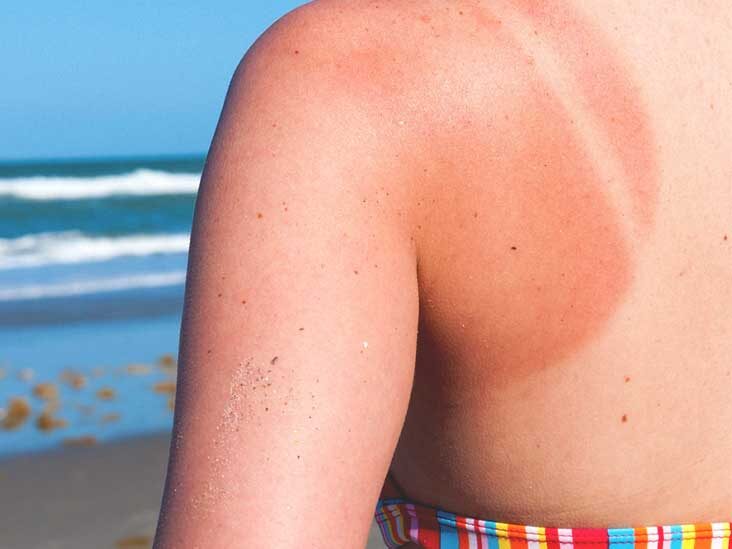
After the Sunburn
5 Nov, 2020Don’t you just love the summer weather. Swimming at the beach, barbeques, and wandering around with the sun on your back. We all know about the importance of slip-slop-slap, but unfortunately Australia still manages to be the skin cancer capital of the world. We receive a massive amount of UV exposure, and all skin types are susceptible.
Basically we can divide Skin Cancer into two main groups. Melanoma and Non-Melanoma lesions.
Without doubt the scariest Skin Cancer is Melanoma. One thousand Australians die annually from this disease. In fact it is the commonest cancer found amongst 15-44 year olds. Appearance varies, but they are usually dark, irregularly shaped moles. The more times you become sunburnt in your life, the higher the risk. The dangerous aspect of Melanoma is that it can aggressively spread to other organs.
Non Melanoma skin cancer consists of Sqamous Cell Carcinoma (SCC) and Basal Cell Carcimoma (BCC). They make up a huge 80% of all types of cancer diagnosed in Australia each year. Generally the risk of getting them is proportional to the total time spent in the sun over the years, as well as the fairness of your skin. If you know an old farmer, you’ll probably see some on the back of their hands and forearms. The good news is that often they are less aggressive and are usually excised or frozen successfully. Appearances of these can range from an area of flaking skin that won’t go away, to a red or skin coloured lump, or an ulcer that won’t heal.
So what can we do to prevent these nasty critters? Slip, slop, slap and wear close fitting sunglasses, as prevention is always better than cure. Suncreen SPF seems to improve each year so you’d be crazy not to use the highest. Avoid organising outdoor activities in the hot mid-afternoon sun. And please keep an eye out for any new lesions. Recruit a friend or partner to look at those hard to see areas such as your back, and if you find anything unusual consult your local GP. Any spot that seems to be changing needs to be checked. Those with fair skin or a family history of Skin Cancer can benefit from a skin review every six to twelve months. Remember, an early diagnosis can make a big difference.