
Take the Pressure Down
4 Nov, 2020In the words of John Farnham, “Take the pressure down, ‘coz I can feel it rising like a storm”. John was on to something back in 1986 because since then the number of Australians with elevated blood pressure has escalated.
High blood pressure (AKA hypertension) basically accelerates damage to our blood vessels. A simple explanation is that higher pressure forces the fats in our blood into our blood vessel walls. Hence cholesterol plaques and hardening of the arteries develops earlier. This leads to stroke, heart disease etc. Of note is that the blood vessels in our eyes and kidneys are more fragile, and therefore more sensitive to high BP. The problem is that typical blood pressure is asymptomatic, and you may never know if it’s high unless you get it checked. But some people with high BP do experience headaches and nosebleeds.
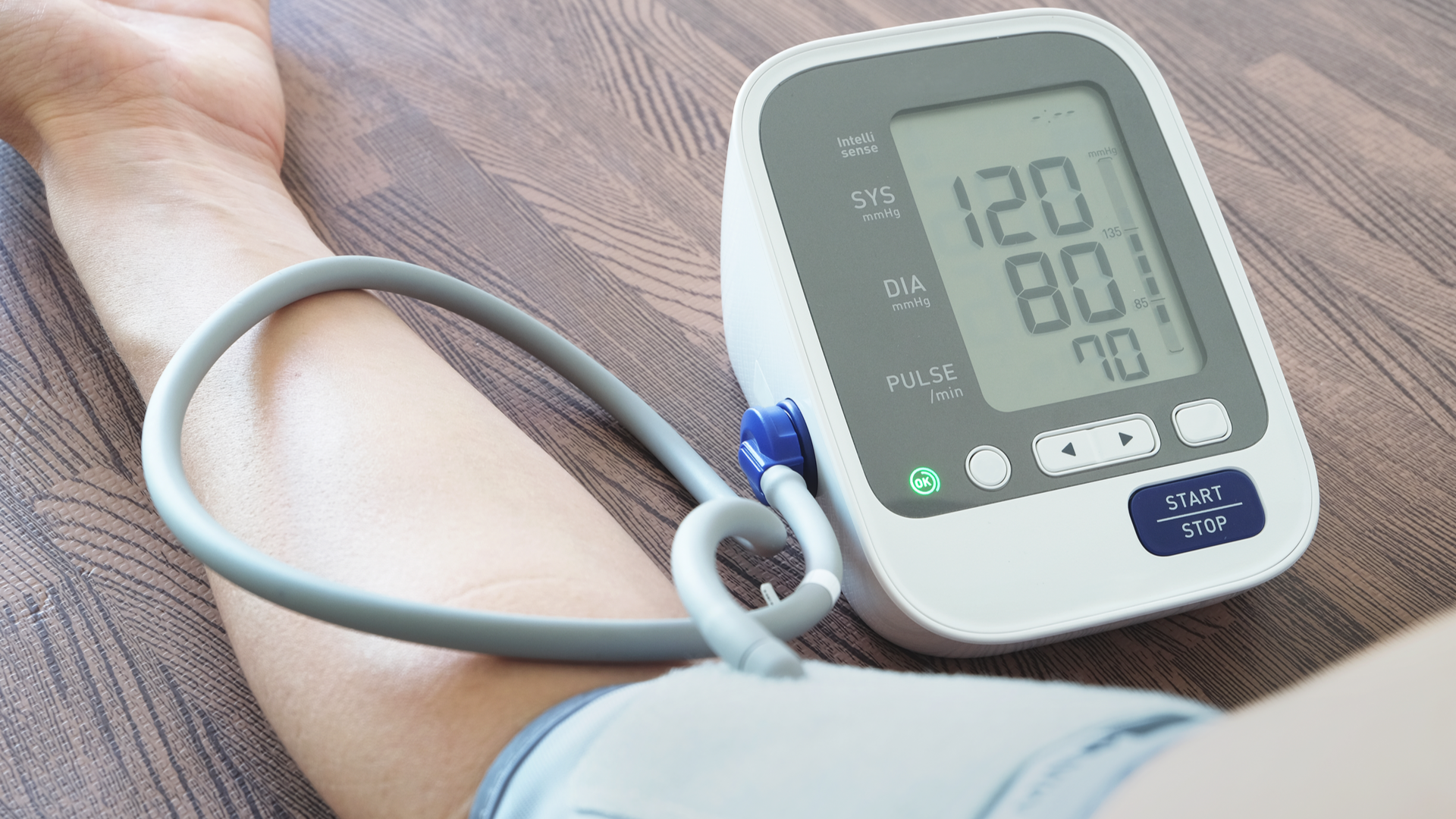
Now what do the actual numbers mean. An average normal reading would be 120/80. In basic terms, this means the BP is 120 as the heart contracts, and the BP is 80 as it relaxes between each beat. We call blood pressure high once it exceeds 140/90.
But tell me more about the Kidneys? Of course you didn’t ask yourself this question, but we needed to change tack. The kidneys play a major role in BP regulation. They excrete salts and water to keep our BP normal. However, as mentioned earlier, the kidneys have fragile blood vessels that are susceptible to high BP. If they’re damaged we get a snowball affect, eg A person with high BP damages their kidneys, then their kidneys don’t work as well, which leads to even higher BP. Nasty eh! Bottom line is that we have to look after our kidneys! And how do I look after my Kidneys? For starters, avoid spiked drinks when traveling in Thailand (poor joke about urban legend where a traveler wakes in bath of ice after having a kidney harvested). But seriously, it’s important to have minimal salt, fat and alcohol in your diet. By the way, most BP medications work by modifying how our kidneys operate – another reason to protect them.
Another thing that you must know is that BP fluctuates. If you have a high reading it’s usual to repeat it in a few weeks and perhaps get a kidney blood test. If a pattern develops where it’s persistently elevated and lifestyle measures haven’t helped, it may be appropriate to commence medication. Then there’s a weird phenomenon called ‘White Coat Hypertension’. This is where a patient’s BP readings momentarily rise due to the anxiety of meeting with a doctor. For such situations we can arrange a 24hr monitor where you wear a smalll device that operates intermittently day and night.